Old Rail Trail Athlone to Mullingar: Complete Route Guide
Detailed walkthrough of Ireland's scenic 43-kilometer rail trail with rest stops, terrain breakdown, and practical cycling tips for all experience levels.
Discover practical strategies for choosing the right e-bike, managing battery life, staying comfortable on extended rides, and riding safely across Ireland's beautiful greenways and quiet roads.

E-bikes aren't cheating — they're liberating. Whether you're cycling the Old Rail Trail or tackling longer distances, an e-bike lets you enjoy the landscape instead of just struggling up hills. You'll cover more ground with less fatigue, which means longer days and genuine adventure.
The right setup transforms your experience. It's not about the bike alone — it's about the battery management, gear comfort, and understanding how to ride smart. We've spent years helping cyclists tour Ireland properly, and these tips come straight from real riders who've logged thousands of kilometers.
Not all e-bikes are created equal. For touring, you need a machine that balances power with efficiency. Look for a mid-drive motor (45-65Nm) rather than hub motors — mid-drive systems work with your gears and feel more natural on varied terrain.
Battery capacity matters enormously. A 500Wh battery gets you about 50-70 kilometers in hilly conditions, but honestly, you'll want at least 625Wh for Irish terrain. The Limerick Greenway and Déise Greenway sections have rolling hills that drain batteries quickly. Frame comfort is crucial too — step-through designs make mounting easier, and front suspension absorbs road vibration on longer rides.
Weight distribution affects comfort significantly. Aim for a bike under 25kg total. Heavier machines require more physical effort, even with motor assistance. Test any bike on a hilly route before committing. You'll notice the difference immediately.
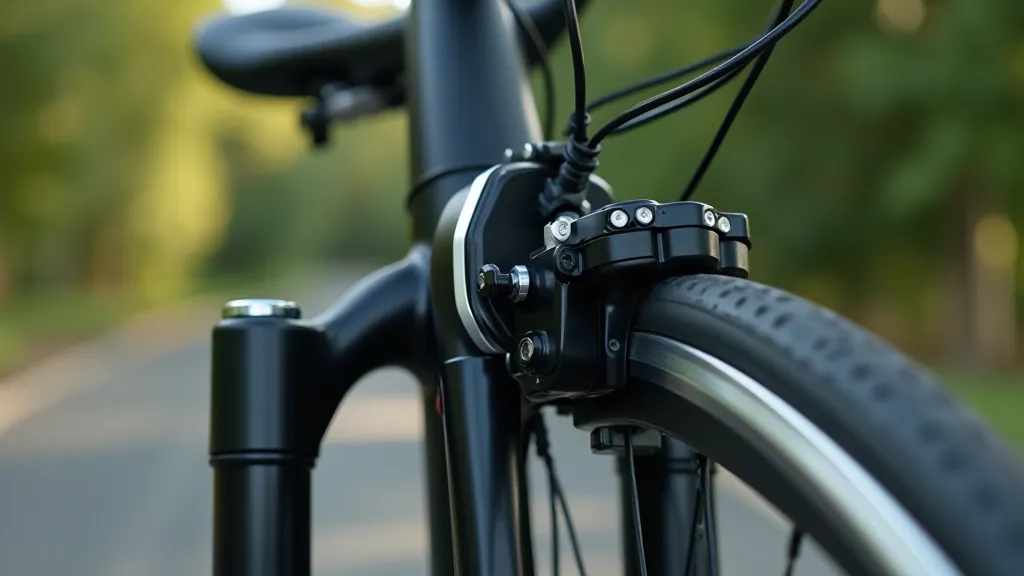
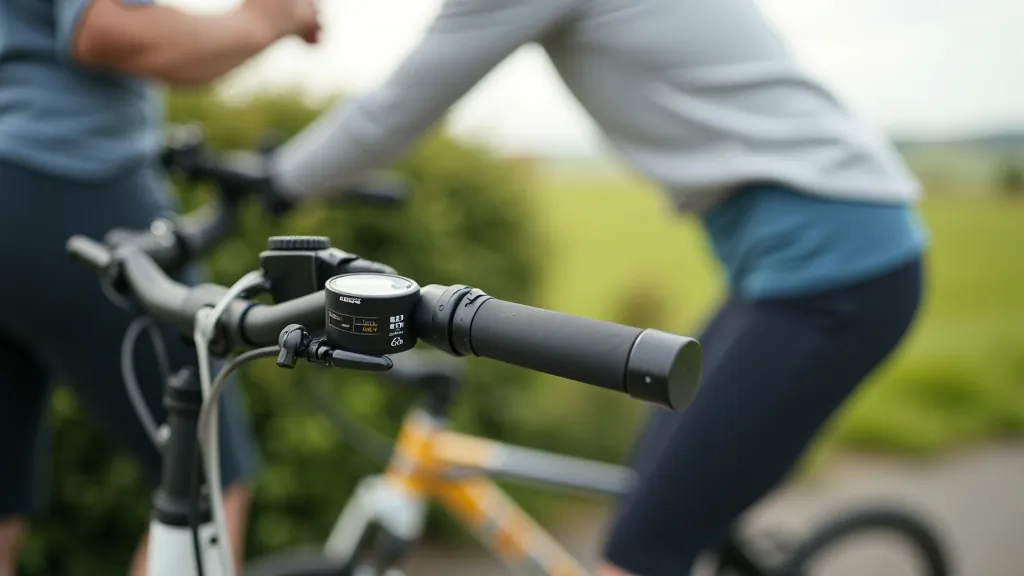
Battery anxiety kills the joy of touring. Here's the reality: you'll use more battery on climbs and less on flats. The Old Rail Trail from Athlone to Mullingar has sustained 3-4% gradients that drain batteries consistently. Don't ride at maximum assist all day — that's the mistake most beginners make.
Use eco mode (25-50% assistance) on flat sections and save full power for climbs. You'll extend range by 25-35%. Check your battery percentage at the halfway point, not when you're already depleted. Most e-bikes show remaining range, but weather affects actual distance — rain and cold reduce capacity by 10-15%.
Carry a portable charger if you're doing multi-day touring. Lightweight 250Wh external batteries weigh less than 2kg and add genuine confidence. Plan accommodation with charging access — most Irish guesthouses have outlets available, and many greenway towns have cafes with charging stations.
After 6-8 hours in the saddle, comfort becomes non-negotiable. A quality saddle designed for touring (not racing) reduces pressure on your sit bones — brands like Brooks or Specialized make models specifically for long distances. Don't cheap out here. Your rear end will thank you.
Padding shorts aren't optional. Proper cycling shorts with gel inserts prevent numbness and chafing. Wear them without underwear — it sounds odd, but it's standard practice. Upper body comfort matters too. A breathable jersey with pockets lets you carry snacks and your phone. In Irish weather, expect rain — waterproof jackets with ventilation keep you dry without overheating.
Handlebar position affects shoulder and neck strain significantly. If your bars are too low, you'll develop lower back pain by day two. Adjust so your elbows have a slight bend when hands rest on bars. Gloves reduce vibration and protect against falls. Padded cycling gloves absorb shock that reaches your hands constantly.
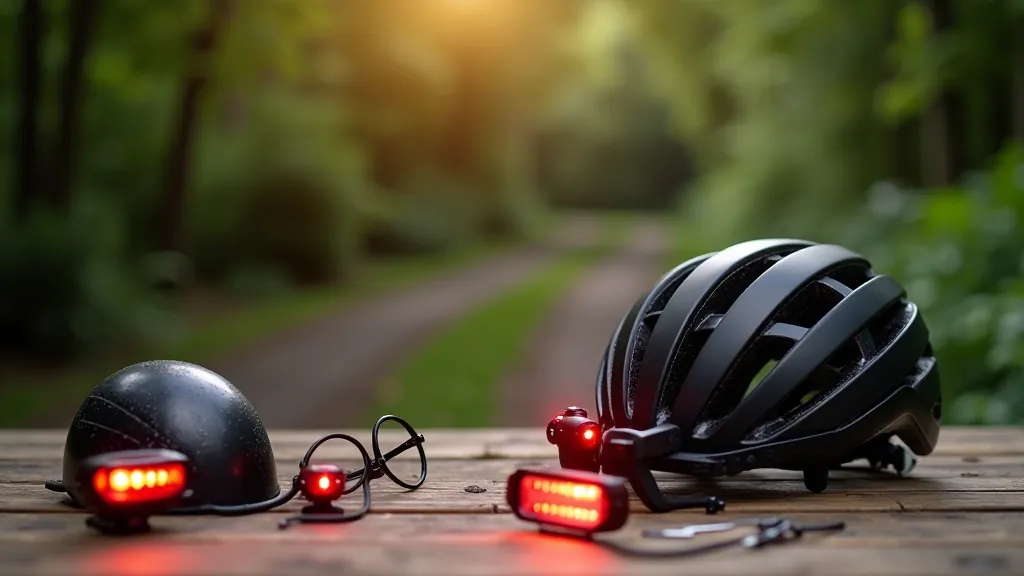
E-bikes reach speeds of 40+ km/h with minimal effort. That changes your safety requirements. Wear a helmet that fits properly — it should sit level on your head and cover your forehead. Don't skimp. Quality helmets distribute impact across a larger area.
Lights aren't optional in Ireland. Afternoon rain reduces visibility quickly. Front lights help you see and be seen — aim for 500+ lumens. Rear lights should pulse to catch attention. Mount them low on your seat stays and frame, not just on your backpack. Reflective clothing or vest makes an enormous difference on mixed-use paths.
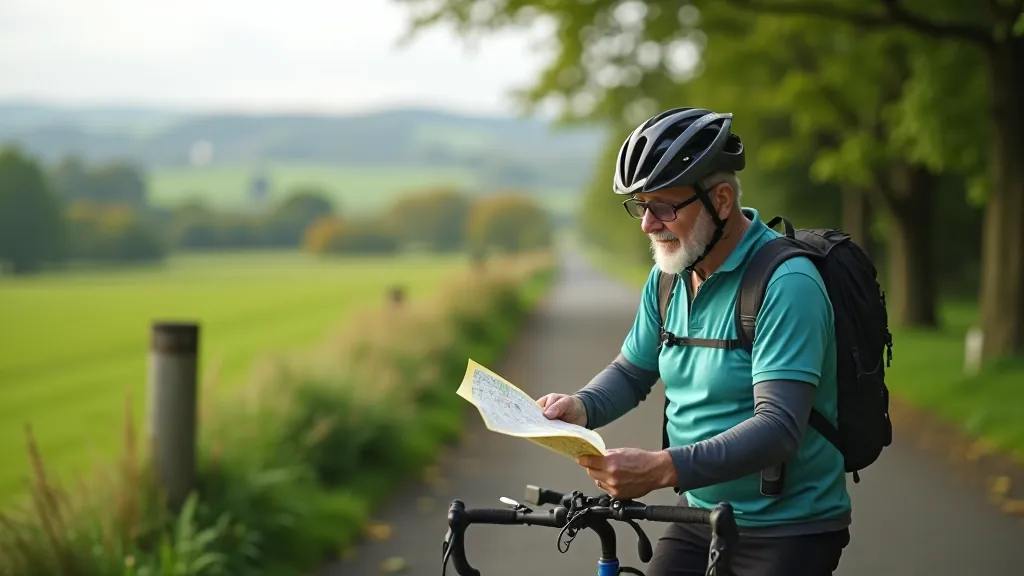
Navigation prevents wrong turns that add kilometers. Download offline maps on your phone — areas like the Déise Greenway have spotty cellular coverage. Carry a paper map as backup. When cycling in groups, establish hand signals for turns and hazards. E-bikes' quiet motors mean riders behind might not hear verbal warnings.
You can cover 60-80 kilometers on an e-bike, but should you? Plan routes that feel manageable — 40-50 kilometers is a sustainable day that leaves energy for exploring towns. Greenways like the Old Rail Trail (43km total) work perfectly as single-day objectives.
Identify rest stops before departing. Irish greenways have cafes, pubs, and village shops at regular intervals. Stop every 15-20 kilometers for 10-15 minutes. These breaks refuel your body and give your battery a brief rest period. Eating small amounts frequently beats eating one large meal.
Weather dictates pace. Headwinds dramatically increase motor consumption — expect 15-20% higher battery drain. Starting early (7-8am) lets you finish before afternoon rain, which is common in Ireland. Carry proper nutrition: energy bars, dried fruit, nuts. Your muscles need fuel more than you'd expect on motorized rides because you're still pedaling, just with assistance.
Charge fully night before. Carry portable charger for multi-day trips. Check battery percentage every 20km.
Inspect tires for pressure (2-3 bar). Check brakes work smoothly. Carry spare tube, pump, and basic tools.
Drink 500ml water every 30 minutes. Carry electrolyte drink for longer rides. Eat small snacks constantly.
Pack waterproof jacket always. Bring sunscreen and cap. Irish weather changes rapidly — expect anything.
Download offline maps. Bring lights even for daytime rides. Tell someone your route and expected arrival.
Do 2-3 practice rides before long tours. Stretch legs night before. Start early to avoid fatigue.
E-bikes democratize cycling tourism. You don't need to be 25 and super-fit to tour Ireland's gorgeous greenways. With proper bike selection, smart battery management, and comfort-focused gear choices, you'll cover distances that felt impossible on regular bikes.
The Old Rail Trail, Limerick Greenway, and Déise Greenway are perfect e-bike routes — scenic, well-maintained, and achievable in single days. Start with one of these. Build confidence. Then explore longer tours connecting multiple greenways.
Most importantly, enjoy it. E-bikes aren't about speed or distance records. They're about experiencing Ireland's landscape from a bicycle, at your own pace, without arriving exhausted. That's the real victory.
Ready to plan your first e-bike tour? Check our detailed guides to specific greenways, or reach out with questions about routes matching your fitness level.
The information in this guide is educational and based on general cycling touring practices. Individual fitness levels, health conditions, and local regulations vary. Before undertaking any cycling tour, particularly extended rides, consult with healthcare providers if you have existing health concerns. Always wear appropriate safety equipment, follow local traffic laws, and check weather conditions and trail conditions before departing. E-bike specifications and regulations differ by region — verify your local rules regarding motor power and usage restrictions. Carry proper identification and emergency contact information on all rides.