Limerick Greenway: Family-Friendly Cycling Through History
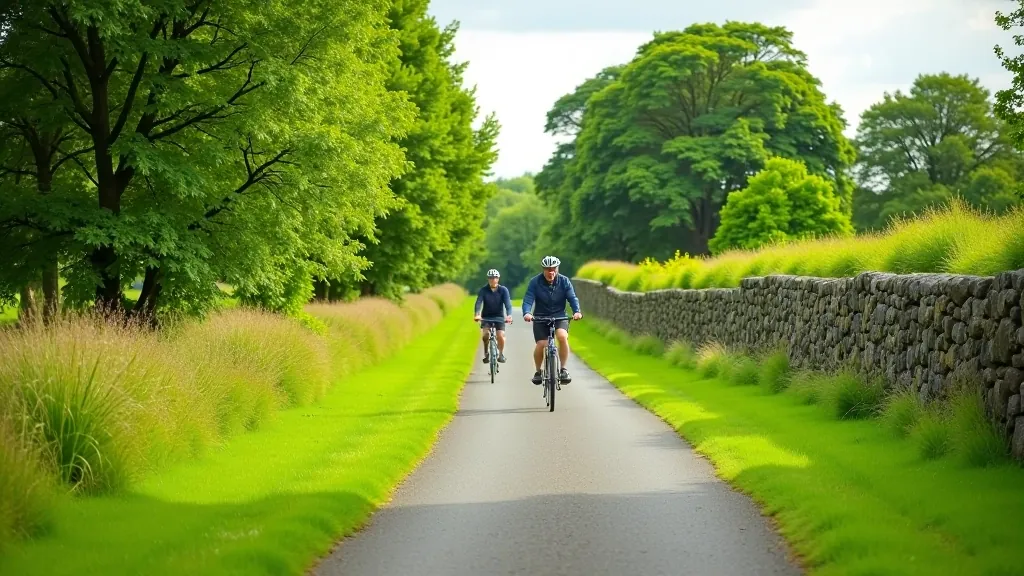

The Limerick Greenway isn't just a cycling route — it's a journey through generations of Irish history. This 40-kilometer loop connects charming villages, passes ancient ruins, and takes you through landscapes that haven't changed much in centuries. You'll cycle through farmland where families have worked the same plots for hundreds of years, stop at pubs with stories to tell, and see the river that shaped the region's entire story.
What makes this greenway special is how accessible it is. There's no major climbing, the surface is well-maintained, and you can break the route into smaller sections depending on your fitness level. Whether you're doing it in one day or spreading it across a weekend, you're cycling through real Ireland — not a theme park version, but the actual countryside where people live and work.
The Route Itself: What to Expect
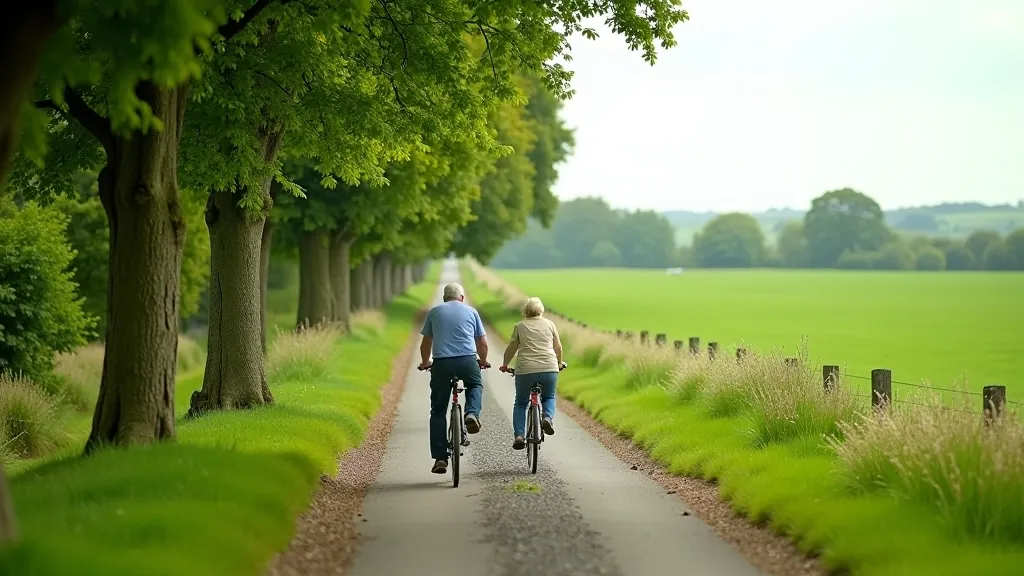
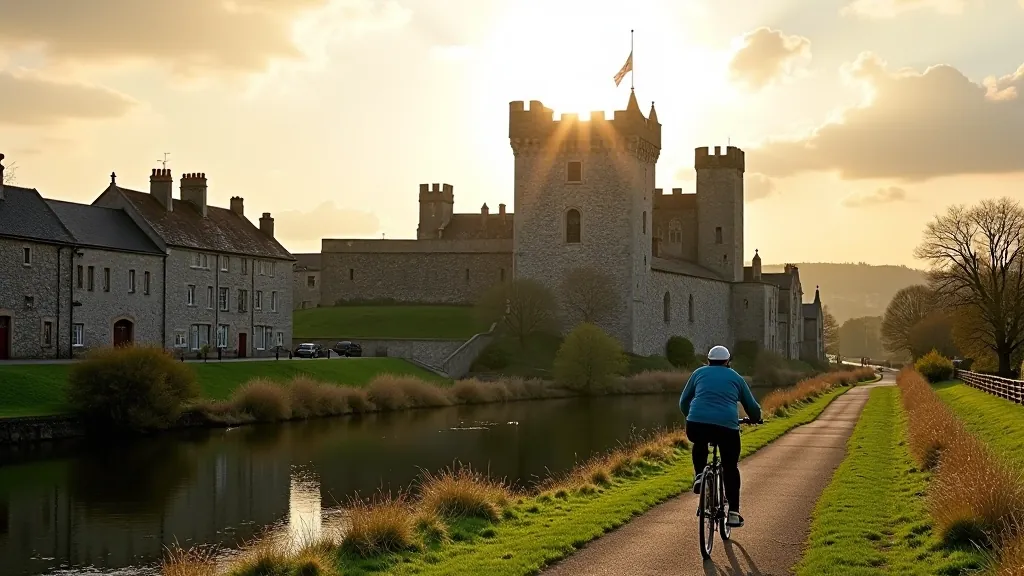
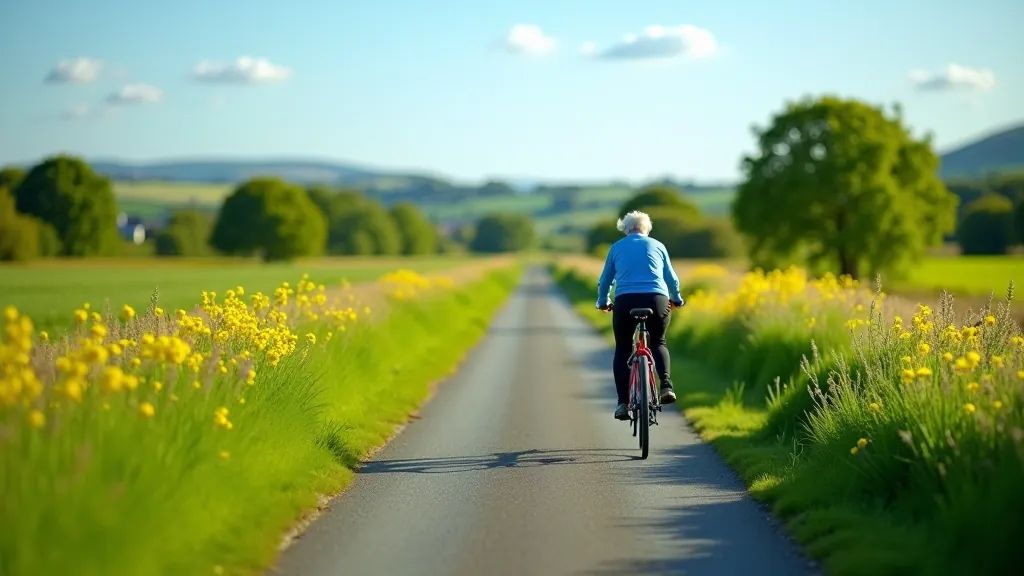
The Limerick Greenway forms a perfect loop starting and ending in the city center. You're not cycling on roads with cars — the entire 40 kilometers is on dedicated greenway paths, mostly on old railway lines or purpose-built tracks. This means you'll spend the whole day focused on the scenery and the rhythm of pedaling, not worrying about traffic.
The terrain is genuinely flat. There's maybe 150 meters of total elevation gain across the entire loop, so it's not physically demanding in that way. What makes it challenging — in the best sense — is the distance itself. Forty kilometers takes most people 3 to 4 hours of actual cycling time, not counting breaks. You'll want to factor in time for stopping at villages, grabbing lunch, and just taking in the views.
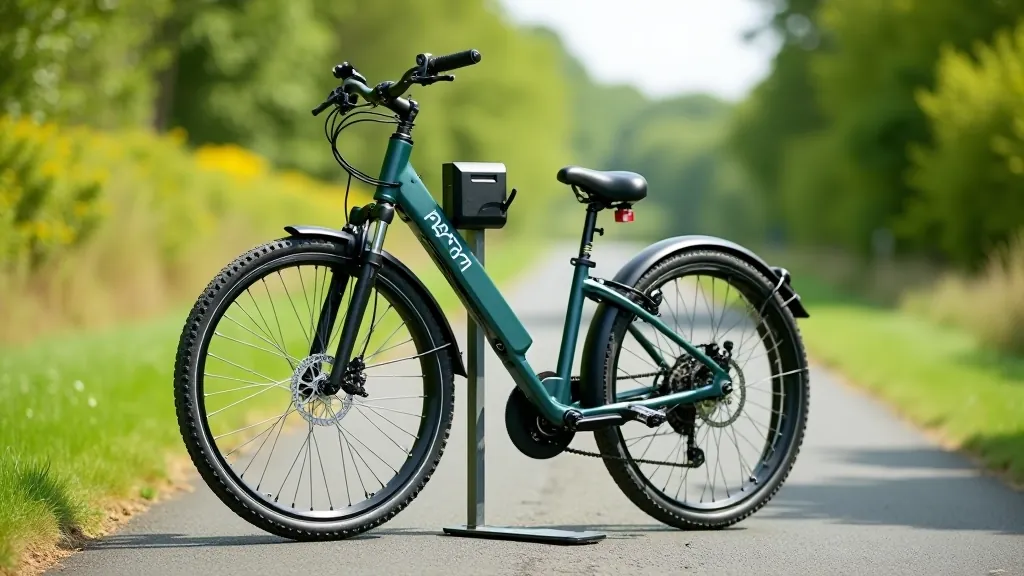
The surface varies. Some sections are smooth asphalt that'd be perfect for road bikes. Other stretches are gravel or compacted stone, which works fine on hybrid bikes or mountain bikes with decent tires. We'd recommend something in between — a hybrid bike or a gravel bike if you've got one. You don't need anything fancy, just something that rolls smoothly and has decent brakes.
The Stops Worth Making
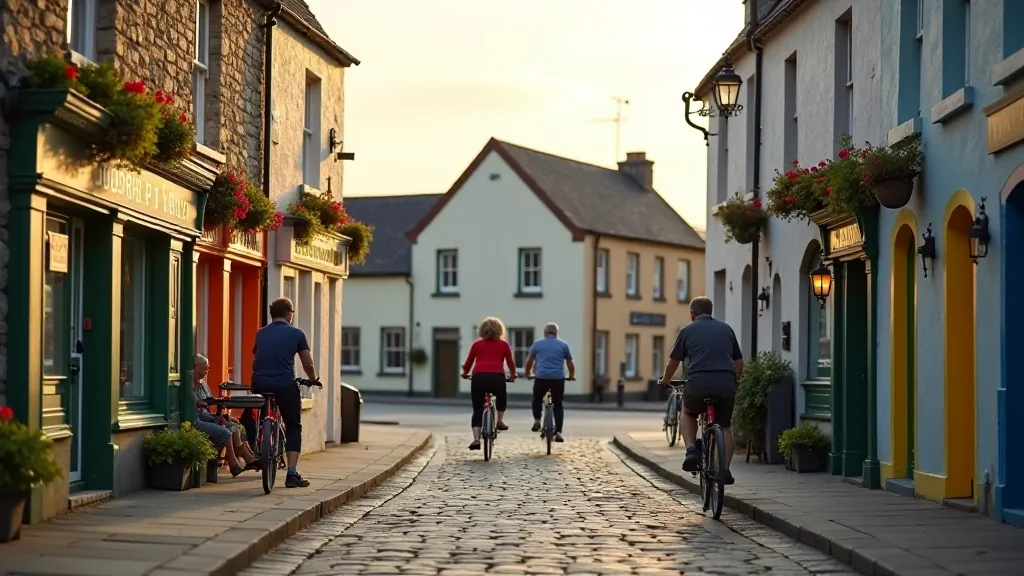
You'll pass through Ballysteen, a quiet village about 8 kilometers from Limerick city. There's a decent pub here and a small shop if you need supplies. The pubs on this route aren't fancy, but they're genuine — you'll see locals inside working, meeting friends, just living their lives. That's part of the appeal.
Around the halfway point, you'll reach Ardagh, which sits right on the River Maigue. This is where you should really stop. There's an old church here from the 1800s, and the village green is peaceful. The locals are used to cyclists coming through, and there's a shop where you can grab a sandwich or a coffee. We'd recommend spending 20 to 30 minutes here.
Rathkeale is another significant stop — it's got proper facilities, a couple of restaurants, and it's where the route loops back toward the city. If you're splitting the ride into two days, this is a natural place to stop for the night. From here back to Limerick is about 15 kilometers, mostly flat and easy.
Historical Sites and Why They Matter
Ardagh Motte
You'll see this from the path — a raised earthen mound that's over 900 years old. It's a Norman fortification, one of hundreds built across Ireland to control territory. Just seeing it reminds you how much history is literally everywhere on this route.
St. Ita's Church
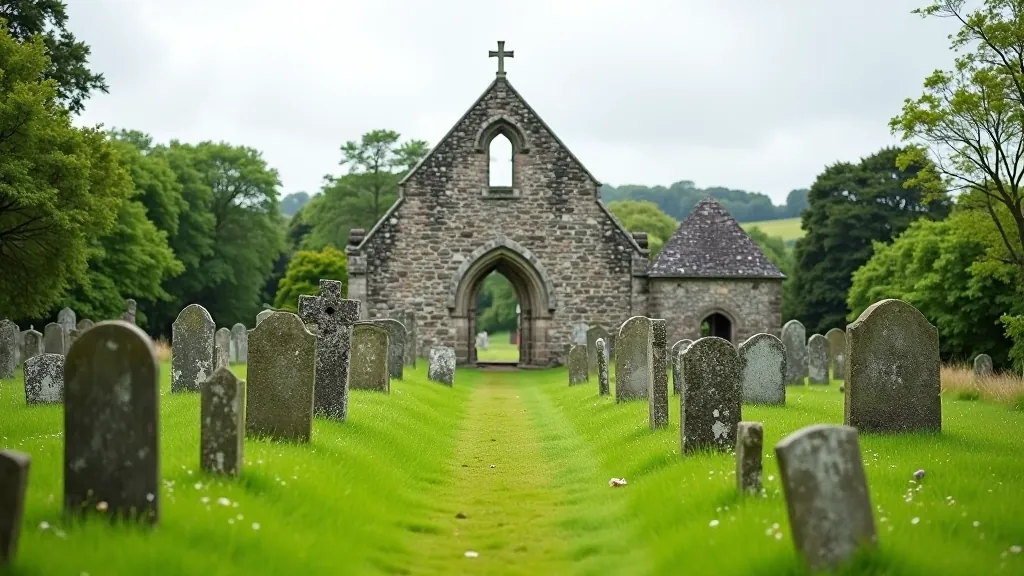
A 15th-century church that's still standing in the middle of fields near Rathkeale. You can actually get off your bike and walk up to it. The graveyard's still in use, which says something about how communities stay connected to their history here.
The Maigue River
The whole route follows this river in parts. It's been the lifeblood of the region for centuries — mills, farms, villages all clustered near it. You're essentially cycling along the same route traders and travelers used for hundreds of years.
Old Railway Infrastructure
The greenway itself follows an abandoned railway line. You'll see old stone bridges and embankments that were built over 100 years ago. It's fascinating to cycle on infrastructure built for a completely different era of travel.
Making the Most of Your Day
Spring and early autumn are ideal. Summer's fine, but it can get busy on weekends. Winter's doable if you don't mind the cold, but daylight hours are shorter so you'd need to start early.
Water (at least 2 liters), snacks or a packed lunch, a basic repair kit, and sunscreen. There's not much shelter on the route, so you're exposed to the weather. A light rain jacket is sensible year-round.
Don't rush it. You're not racing. A comfortable pace is 12-15 kilometers per hour, which gives you time to notice the landscape and stop when something catches your eye. Forty kilometers at that pace is a full day out, not a punishment.
Check your brakes before you go. Make sure your tires have decent pressure and tread. Oil your chain if it's making noise. You don't need much — just basic maintenance so you're not stuck somewhere without help.
Why Families Keep Coming Back
The Limerick Greenway works for families because it's accessible without being boring. Kids can handle the flat terrain without getting frustrated. The villages along the way are real places where you can grab food and use facilities, not just scenic viewpoints. And the history is actual history, not a museum exhibit — you're cycling through it, not reading about it behind glass.
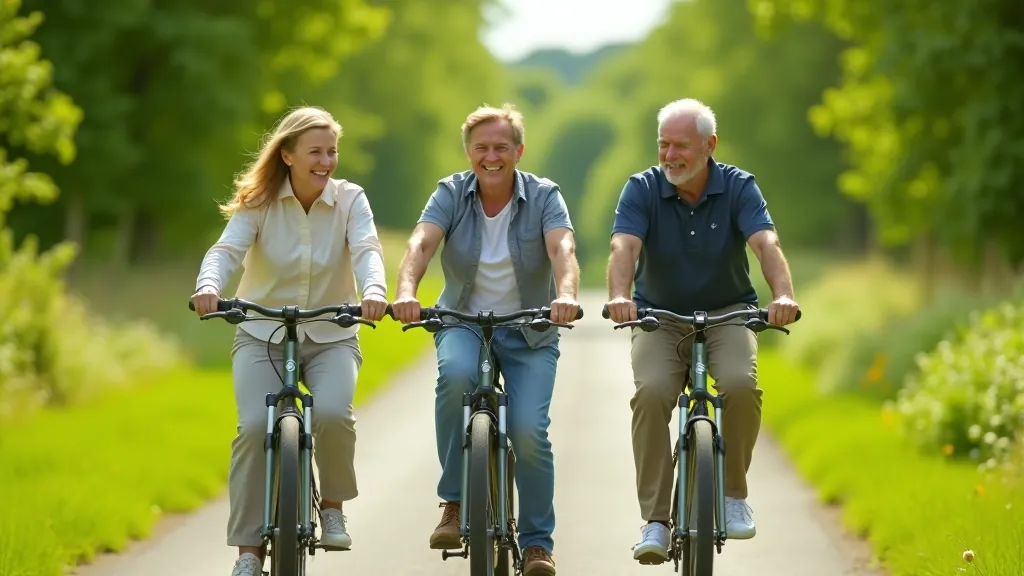
Parents appreciate that you're not dealing with traffic stress. Grandparents can actually enjoy the day instead of just surviving it. And there's something about cycling together that makes conversation easier than sitting across a table. You talk, you pedal, you notice things together. That's what people remember afterward — not the specific kilometers, but the rhythm of the day and the time spent outside with people they care about.
The Takeaway
The Limerick Greenway is one of Ireland's best cycling experiences because it's accessible, interesting, and genuinely enjoyable. You're not cycling to prove something or to hit a certain pace — you're cycling because it's a lovely way to spend a day. The 40 kilometers moves at a pace that lets you notice things. The villages are real. The history is genuine. And when you're done, you'll have covered a significant distance on a bike while barely noticing you were working.
It's the kind of ride where people ask you about it afterward, and you find yourself telling stories about what you saw and where you stopped. That's how you know it was worth doing.
Ready to explore more greenway routes? Check out our other cycling guides for different routes and difficulty levels across Ireland.
Explore All Greenway RoutesImportant Information
This article is provided for educational and informational purposes. While we've described the Limerick Greenway as we understand it, route conditions, facilities, and local circumstances can change. Always check current local resources before planning your trip. Ensure your bike is properly maintained, bring appropriate safety equipment including a helmet, and follow local traffic rules. Consider your own fitness level and experience — if you're new to cycling or have health concerns, consult appropriate professionals before undertaking long-distance cycling. Weather conditions in Ireland can change quickly, so plan accordingly and bring weather-appropriate clothing.
Related Routes to Explore